Eco-Friendly Workspaces: Cutting Down on Office Waste
In our modern world, businesses are becoming increasingly aware of their impact on the environment. One of the most significant ways companies can contribute to sustainability is by creating eco-friendly workspaces that focus on cutting down on office waste. This comprehensive guide explores the importance of minimizing waste in offices, actionable strategies for reducing consumption, practical office waste reduction techniques, and the benefits of working in an environmentally-conscious workspace. Whether you're a small startup or a large corporation, these insights will help promote sustainability and foster a greener future.
Why Reducing Office Waste Matters
With businesses generating millions of tons of waste annually, office waste reduction is more critical than ever. An eco-friendly workplace doesn't just benefit the environment; it also promotes employee wellness, enhances brand image, and can even reduce costs. The most common sources of office waste include paper, plastics, outdated electronics, single-use items, and packaging materials.
- Paper waste: Despite digital transformation, paper remains one of the biggest contributors to office waste streams.
- Plastic waste: Single-use plastics such as cups, cutlery, and packaging add up quickly.
- Electronic waste: Old computers, printers, and phones have a significant ecological footprint.
- Miscellaneous waste: Food containers, packaging, and disposable stationery.
By addressing these areas, companies can build a more sustainable workspace and demonstrate environmental leadership.

Key Steps to Creating an Eco-Friendly Workplace
1. Conduct an Office Waste Audit
The first step towards a green workspace is understanding the type and volume of waste produced. Conduct a thorough waste audit by analyzing waste bins over a typical week. Categorize the waste into paper, plastics, e-waste, food waste, and miscellaneous items. Use this data to set actionable reduction goals and monitor progress.
2. Reduce Paper Consumption
Despite the digital revolution, offices still rely heavily on paper documents. Cutting down office paper waste is essential for any eco-friendly office strategy. Try these approaches:
- Implement digital document management: Move to cloud storage and electronic signing solutions.
- Print only when necessary: Encourage double-sided printing and the use of digital drafts.
- Switch to recycled paper: Use products made from post-consumer waste.
- Create a paperless meeting policy: Share meeting agendas and notes electronically.
3. Address Single-Use Plastics
A huge part of office waste comes from disposable cups, utensils, and packaging. Minimize single-use items by:
- Installing water and coffee stations: Encourage staff to use reusable bottles and mugs.
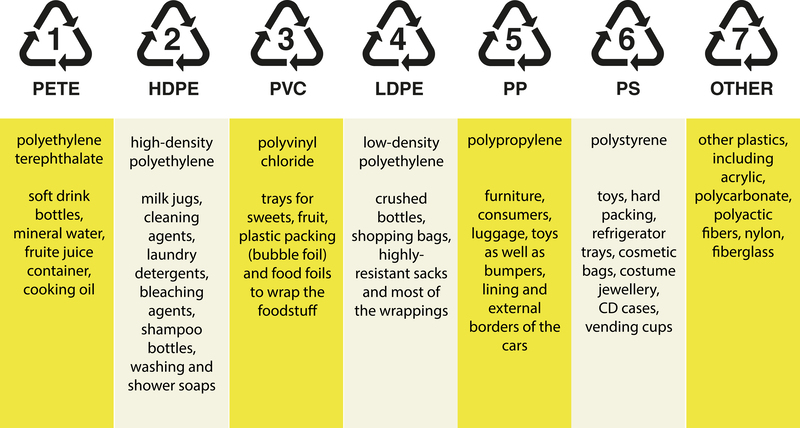
- Switching to eco-friendly alternatives: Stock compostable plates, cups, and cutlery for unavoidable single-use scenarios.
- Educating employees: Share information about the impact of single-use plastics.
4. Manage Electronic Waste Responsibly
Electronic waste (or e-waste) is a growing concern in technology-driven offices. Promote responsible disposal and reuse with these guidelines:
- Partner with certified e-waste recyclers: Ensure obsolete electronics are recycled, not landfilled.
- Upgrade wisely: Evaluate if equipment can be upgraded or re-used instead of replaced.
- Donate functional electronics: Pass on working computers, printers, or phones to nonprofits or schools.
5. Improve Office Recycling Programs
A comprehensive recycling program is the backbone of any eco-friendly office. To cut down on office waste:
- Place clearly labeled bins: Use color-coded and well-marked recycling stations for different materials (paper, plastics, metals, organics).
- Regularly train employees: Keep staff informed about what is recyclable in your area and best practices for sorting waste.
- Monitor and measure: Track volumes of recycled material and share progress to motivate participation.
6. Minimize Food Waste
Food waste from meals and snacks adds up. Reduce food waste in the office by:
- Installing compost bins: Encourage composting of fruit peels, coffee grounds, and leftovers.
- Offering reusable kitchenware: Swap out disposable plates and utensils for washable alternatives.
- Organizing food sharing: Set up a system to redistribute surplus food among employees.
7. Rethink Office Supplies
Make the transition to more sustainable office supplies by:
- Bulk ordering: Reduces packaging and transportation emissions.
- Opting for recycled materials: Choose pens, notepads, and folders made from recycled content.
- Implementing a green procurement policy: Prioritize suppliers with robust sustainability credentials.
8. Encourage a Sustainable Office Culture
Long-term success in minimizing workplace waste relies on employee engagement. Motivate your team by:
- Hosting eco-awareness workshops: Discuss the environmental impact of waste and practical reduction habits.
- Celebrating green milestones: Recognize teams or individuals for outstanding eco-friendly efforts.
- Creating a green team: Appoint sustainability champions to lead waste reduction initiatives.
The Benefits of Eco-Friendly Workspaces
Transitioning to a zero-waste office or an eco-friendly workplace yields measurable benefits for companies and staff:
- Brand Reputation: Green practices enhance public image, attract eco-conscious clients, and support corporate social responsibility goals.
- Cost Savings: Reducing consumption, energy use, and waste disposal costs can significantly cut expenses.
- Employee Morale: Working at a company committed to environmental stewardship increases job satisfaction and retention.
- Regulatory Compliance: Early adoption of green practices aligns with emerging regulations and industry best practices.
- Environmental Impact: Less waste means fewer resources used, lower carbon emissions, and a healthier planet.
Case Studies: Inspiring Examples of Sustainable Offices
Businesses worldwide are embracing eco-friendly workspace strategies. Here are some outstanding examples:
Google's Green Offices
Google has spearheaded sustainability in tech by redesigning offices for waste reduction. Their zero-waste initiative focuses on reducing single-use plastics, composting food scraps, and maximizing recycling. Offices across the globe feature renewable energy, sustainable design, and environmental education for employees.
Unilever's 'Waste-Free' Headquarters
Unilever's commitment to a circular economy is evident in its waste management. Its offices source sustainable materials, reuse supplies, and eliminate non-recyclable packaging. Green teams regularly train staff and audit processes to strive for zero waste to landfill.
Local Startups
Many startups, such as eco-coworking spaces and socially responsible businesses, lead by example with minimal waste policies, bulk kitchen supplies, and strict single-use bans. Their innovative approach demonstrates that organizations of any size can prioritize a sustainable workspace.
Common Challenges and How to Overcome Them
Moving towards an eco-friendly office has its challenges. Some typical obstacles include:
- Employee resistance: Address with training and leadership support.
- Upfront costs: Many solutions, like switching to recycled supplies or composting, require initial investment but often save money in the long run.
- Vendor limitations: Not all suppliers offer sustainable options; prioritize partnerships with eco-conscious vendors.
- Lack of knowledge: Close information gaps through education and resource sharing.
Persistence and creative problem-solving are key. Stay flexible and keep refining your approach to achieve the best results.
Measuring Success: Tracking Waste Reduction in the Workplace
To know whether your green workplace initiatives are effective, establish key performance indicators (KPIs) such as:
- Amount of waste diverted from landfill (measured in kilograms or pounds)
- Percentage reductions in paper, plastic, or e-waste over time
- Employee participation rates in recycling or compost programs
- Number of eco-friendly products purchased versus conventional alternatives
- Cost savings realized from reduced waste management fees
Regularly share achievements with staff to maintain momentum and foster a sense of accomplishment.
Future Trends in Sustainable Workspaces
The future of eco-friendly offices is exciting, driven by technological innovations and new workplace habits. Expect to see:
- Smart waste sorting systems: Utilizing AI to improve recycling accuracy.
- Modular office furniture: Designed for reuse, repair, and recycling.
- Green building certifications: Like LEED or WELL, recognizing sustainable construction and operations.
- Remote work policies: Cutting transportation emissions and reducing daily office waste.
- Comprehensive supply chain transparency: Demanding full lifecycle environmental accountability from vendors.
Conclusion: Every Step Counts Towards Sustainability
Creating an eco-friendly workspace isn't about perfection--it's about progress. By taking practical steps to cut down on office waste, organizations not only help the planet but can also enjoy financial savings, happier employees, and a distinctive brand reputation. From simple actions like switching to reusable coffee mugs to comprehensive office recycling programs and green procurement, every initiative adds up.
Ready to create a more sustainable office? Start by conducting a waste audit, engaging your team, and implementing one or two changes. Soon, you'll be paving the way for a truly green work environment--and inspiring others to do the same.
Together, our everyday choices can reshape the future of work for generations to come.