Belgravia rubbish clearance Westminster guide for townhouses and flats
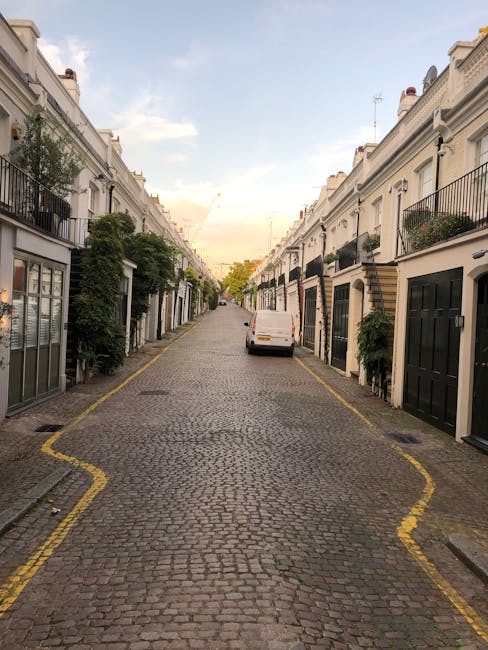
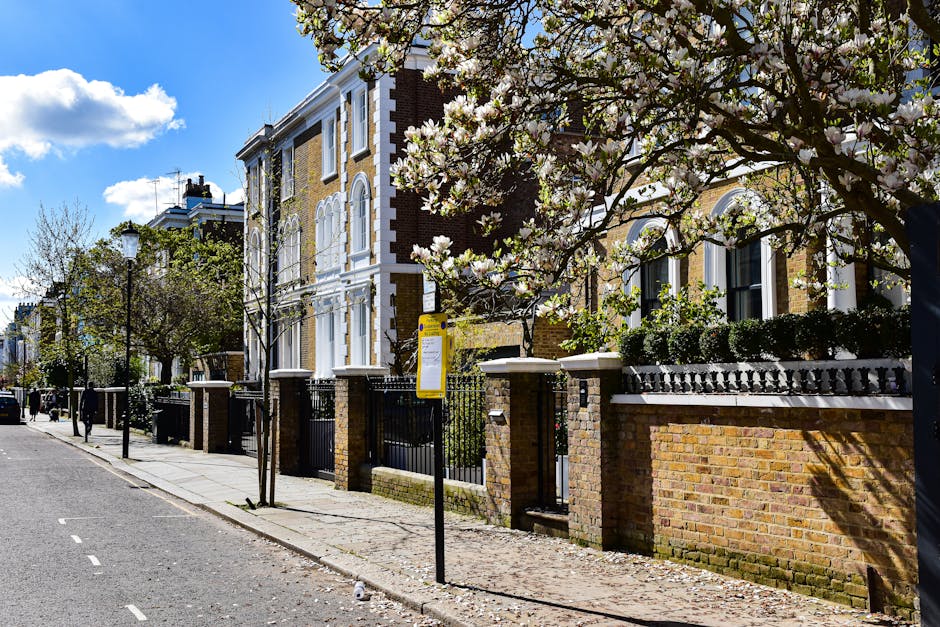
If you live or work in Belgravia, you already know the area has its own rhythm: elegant townhouses, basement conversions, mansion blocks, mews streets, and the occasional narrow stairwell that seems designed to test patience. Clearing rubbish here is rarely just a matter of putting a few bags out front. Access can be tight, parking is often awkward, and communal spaces need a bit of care. That is exactly why a Belgravia rubbish clearance Westminster guide for townhouses and flats matters.
This guide walks you through how rubbish clearance usually works in this part of Westminster, what makes townhouse and flat clearances different, and how to avoid the common headaches. You will also find practical tips, compliance pointers, and a sensible step-by-step approach so the job feels manageable rather than messy. Truth be told, most clearances go better when people know what to expect before the van arrives.
Whether you are dealing with a one-off declutter, an end-of-tenancy clear-out, renovation debris, or a full property clearance, the aim is the same: get the space back to normal quickly, safely, and without unnecessary stress. Let's make it simpler.
Table of Contents
- Why Belgravia rubbish clearance Westminster guide for townhouses and flats Matters
- How Belgravia rubbish clearance Westminster guide for townhouses and flats Works
- Key Benefits and Practical Advantages
- Who This Is For and When It Makes Sense
- Step-by-Step Guidance
- Expert Tips for Better Results
- Common Mistakes to Avoid
- Tools, Resources and Recommendations
- Law, Compliance, Standards, or Best Practice
- Options, Methods, or Comparison Table
- Case Study or Real-World Example
- Practical Checklist
- Conclusion
- Frequently Asked Questions
Why Belgravia rubbish clearance Westminster guide for townhouses and flats Matters
Belgravia is not a generic postcode. The housing stock, street layout, and expectations around presentation are different from many other parts of London. That changes how rubbish removal needs to be planned. A pile of black bags outside a townhouse, for example, can create access issues very quickly and is unlikely to be welcome for long. In a flat, the challenge might be getting large items down stairs or through a lift without damaging communal areas.
There is also the Westminster factor. Central London clearance often involves controlled parking, narrow time windows, shared entrances, and residents who expect things to be done quietly and neatly. To be fair, nobody wants a hallway full of old wardrobes at 8am while the neighbours are heading out with coffee in hand.
The main reason this matters is simple: poor planning creates extra cost, extra time, and extra friction. Good planning keeps the process tidy and predictable. It also helps with sorting items properly, especially where reusable furniture, electrical items, and general waste need to be separated sensibly.
If you are comparing broader property services too, it can help to look at related local support such as Westminster rubbish clearance services or a more general house clearance option for larger clear-outs. Those pages are useful if your project is part of a wider move, refurbishment, or probate situation.
Key point: in Belgravia, rubbish clearance is less about brute force and more about coordination, access, respect for the property, and getting the job done without creating disruption. That really is the difference.
How Belgravia rubbish clearance Westminster guide for townhouses and flats Works
Most rubbish clearance jobs follow a similar pattern, but the details matter. In a townhouse or flat, the practical steps are shaped by access, volume, parking, and the type of waste involved.
1. Initial assessment
The first step is usually a look at what needs removing. This may happen by photos, a phone call, or an in-person visit. A useful assessment should cover volume, item type, access restrictions, and whether anything needs careful handling, such as mirrors, glass tables, or heavy appliances.
2. Planning access and timing
Belgravia streets can be narrow and, at certain times, busy. Clearances often work best when the route from property to vehicle is thought through before anyone starts lifting. For flats, the key questions are: is there a lift, how wide are the corridors, and are there any building rules for contractors?
3. Sorting the waste
Not everything should go in the same pile. Good clearance practice usually separates general waste, recyclable materials, electricals, furniture, and anything that may need special handling. This matters for both compliance and efficiency. It also tends to make the job cleaner and faster, which everyone appreciates.
4. Removal and loading
This is the physical part, but it should still feel controlled. Items are carried out carefully, loaded safely, and managed in a way that reduces the chance of wall scuffs, stair damage, or nuisance to neighbours. In a townhouse, that might mean using protective routes through hallways. In a flat, it may mean working around quiet hours or concierge procedures.
5. Disposal or onward sorting
Once loaded, the waste should be taken to appropriate disposal or recycling facilities. A responsible clearance process will not just dump mixed waste at the nearest point. It should be handled in line with recognised waste management practice, with reuse or recycling considered where possible.
If your project includes bulky furniture, awkward office waste, or a mix of general rubbish and dismantling work, you may also find it useful to review bulky item removal support and office clearance services if the property includes a home office, study, or mixed-use space.
One small but important point: a good clearance is not just about lifting. It is about leaving the place usable afterwards. That sounds obvious, but you would be surprised how often it gets overlooked.
Key Benefits and Practical Advantages
There are plenty of reasons people choose professional rubbish clearance in Belgravia rather than trying to handle everything themselves. Some are obvious, and some only become obvious once you have tried shifting a sofa down a townhouse staircase alone. Not a pleasant memory.
| Benefit | What it means in practice | Why it matters in Belgravia |
|---|---|---|
| Time saved | Less sorting, carrying, and multiple trips | Useful where parking and access are limited |
| Cleaner process | Items are removed in an organised way | Important for high-standard homes and communal areas |
| Reduced risk of damage | Experienced handling of bulky or awkward items | Protects stairs, flooring, and shared entrances |
| Better waste separation | Recycling and item sorting where appropriate | Supports responsible disposal expectations |
| Less stress | Someone else manages the logistics | Very welcome during moves, refurbishments, or tight deadlines |
There is also a practical financial benefit, though it is often indirect. When clearances are handled properly, you reduce the chance of delays, extra labour, repeat visits, or last-minute storage issues. In our experience, that is where the real savings show up.
Another advantage is discretion. In a neighbourhood like Belgravia, people often value minimal disruption. A tidy, efficient clearance that starts on time and finishes on time can make a surprisingly big difference to the feel of a property reset. Quietly efficient. No fuss.
Who This Is For and When It Makes Sense
This kind of clearance is not just for big house moves. A lot of different people benefit from it, and the need can come up at short notice.
- Homeowners in townhouses dealing with loft clutter, basement storage, old furniture, or renovation debris.
- Flat owners who need help moving bulky items through stairs, lifts, or communal areas.
- Landlords and letting agents preparing a property for re-letting after a tenancy ends.
- Estate executors and family members managing a sensitive property clearance.
- Interior designers and refurbishment teams who need a fast, clean turnaround between stages of work.
- Busy residents who simply do not have time to organise disposal themselves.
It makes sense when the volume is more than a few bin bags, when items are awkward or heavy, or when you need the work done neatly in a shared building. It also makes sense when the waste includes mixed materials and you want a clearer, more accountable process.
There is a judgement call here. If you have just a small amount of household rubbish and a very simple route to the kerb, you might not need much. But if you are looking at a full room clear, an end-of-lease move-out, or a period property with tight access, it is usually worth getting help. Life is short. Nobody needs to wrestle a dismantled wardrobe through a front hall twice.
Step-by-Step Guidance
Here is a practical way to approach rubbish clearance in Belgravia without missing anything important.
Step 1: Walk the property first
Before anything is moved, walk through each room and identify what is going. Separate items into broad groups: keep, donate, recycle, and dispose. That one habit saves a lot of confusion later.
Step 2: Check access points
Look at front doors, stair widths, lift access, basement steps, and any tight corners. In townhouse clearances, basement and top-floor rooms are often where the awkward items live. In flats, communal hallways are the choke point. Annoying, but true.
Step 3: Set a realistic schedule
Pick a time that works for the building and the street. Early mornings may avoid congestion, but you also want to respect noise and neighbour routines. If the property has concierge or building management, check any contractor requirements in advance.
Step 4: Remove valuable or sensitive items first
Before clearance begins, remove documents, jewellery, passports, laptops, and anything personal. It sounds obvious until you are in a rush and suddenly the top drawer is a blur. Do not leave it to chance.
Step 5: Prepare items for easier removal
If safe to do so, group items by room and dismantle simple furniture in advance. Bag loose rubbish, tape sharp edges, and keep electricals together if they are to be removed separately.
Step 6: Protect the route out
Use floor protection, corner guards, or blankets if needed. This is especially useful in older townhouses where walls, bannisters, and stair rails can mark easily. Small effort, big payoff.
Step 7: Confirm final sweep and handover
Once the main load is out, do a final sweep of cupboards, under-stairs spaces, and utility rooms. If the property is being sold or handed back, this last check can save a headache later.
If your project is part of a move, a clear-out, or a general property reset, it can help to read related guidance such as end-of-tenancy clearance advice and furniture disposal options. Those pages are especially useful when you are dealing with mixed items rather than pure rubbish.
Expert Tips for Better Results
A few small choices can make a big difference to how smooth the clearance feels. These are the practical details that tend to get overlooked until the day itself.
- Label rooms before the team arrives. Even simple notes like "keep", "remove", or "unsure" speed things up.
- Group similar items together. For example, put broken lamps, old cables, and small electricals in one place.
- Measure awkward furniture. A sofa or wardrobe that looks manageable can turn into a problem at the stairwell. Happens all the time.
- Clear parking and loading space if possible. In central London, this can be the difference between a fast job and a frustrating one.
- Ask about recycling and donation routes. Even if not everything can be reused, it helps to know the plan.
- Keep neighbours in mind. A quick heads-up in a flat block can go a long way.
There is also a softer tip, if you like: do not overcomplicate the process. Some people spend days deciding whether to keep a chipped side table from 2009. If it has been living in a corner untouched for years, maybe it is time. Letting go can be oddly freeing.
For larger or more complex projects, you may want to compare a few support options on the site, including junk removal help and full property clearance services. That is a smart way to match the service to the actual job rather than guessing.
Common Mistakes to Avoid
Most clearance problems are predictable. That is the good news. The not-so-good news is that they keep happening. Here are the ones worth avoiding.
Leaving access checks too late
If you only discover a tight staircase, locked service entrance, or restricted parking on the day, the schedule can fall apart quickly. Always check access in advance.
Underestimating volume
A pile of items in a room can look smaller than it really is. Once broken down and loaded, it can fill far more space than expected. Photos help, but a proper walk-through is better.
Mixing everything together
Not sorting recyclable items, electricals, and general waste can make disposal less efficient. It may also create compliance issues depending on the materials involved.
Forgetting building rules
Some flats and managed blocks have contractor rules, lift booking requirements, or quiet-hour restrictions. Missing those details can delay the whole job.
Leaving valuables behind
This one is simple, yet common. Check drawers, shelves, cupboards, and under beds before anything goes. Once it is gone, it is gone.
Trying to do too much alone
People often start with good intentions and a mug of tea, then realise the sofa does not fit round the corner. There is no medal for that.
Tools, Resources and Recommendations
You do not need a van full of specialist equipment for every job, but a few practical tools and resources help a lot.
- Heavy-duty bags for loose waste, especially if items are sharp or dusty.
- Gloves for basic handling and protection.
- Furniture blankets or covers to protect shared spaces.
- Tape and labels for sorting and identifying items.
- Measuring tape to check routes and fit.
- Phone camera for documenting the job before and after.
On the information side, useful resources usually include the property management team, building concierge, local parking information, and any collection guidance relevant to Westminster. If you are unsure where to start, ask about waste handling expectations before the first item is lifted. That simple question can prevent a lot of backtracking.
You may also benefit from browsing related pages on the site such as Belgravia area services and rubbish collection options if you want to match the service more closely to the property type or waste volume.
Practical summary: the best clearance jobs are rarely the flashiest ones. They are the ones that are planned clearly, handled carefully, and finished with the property left clean, calm, and ready for use again.
Law, Compliance, Standards, or Best Practice
Waste handling in London should be treated carefully. Exact requirements can vary depending on the type of waste, the property, and the service being used, so it is sensible not to assume every item can be handled the same way. For example, electrical items, mattresses, paint, and some renovation debris may need separate handling. Local rules and site-specific conditions can also affect collection arrangements.
Best practice is straightforward: use a responsible waste carrier, confirm that waste will be taken to an appropriate facility, and avoid leaving rubbish on the street or in communal areas longer than necessary. In a place like Belgravia, that is not just a compliance issue; it is also about keeping the street smart and respectful for everyone else.
If you are dealing with a larger clearance, it is wise to ask how the waste is sorted, where it is taken, and whether reusable items are diverted from disposal where possible. You do not need a lecture on environmental theory. You just need a clear, sensible process that does what it says on the tin.
For properties in managed blocks, remember that building rules may matter as much as any wider guidance. Check whether the management company requires booking slots, floor protection, insurance details, or advance notice. That tiny bit of admin can save a surprisingly large amount of grief.
Options, Methods, or Comparison Table
There is more than one way to deal with unwanted items in Belgravia. The right choice depends on urgency, volume, access, and how hands-on you want to be.
| Method | Best for | Pros | Trade-offs |
|---|---|---|---|
| DIY disposal | Very small amounts, easy access | Simple if the waste is light and local | Time-consuming, parking issues, manual effort |
| Man-and-van style clearance | Mixed household items, medium loads | Flexible and often convenient | May need more sorting and planning |
| Full property clearance | Large clear-outs, moves, probate, refurb jobs | Most comprehensive and efficient | Usually more involved to organise |
| Specialist bulky item removal | Sofas, wardrobes, beds, appliances | Good for awkward or heavy items | Less suited to whole-property clearances |
For a townhouse with several floors and a basement, a fuller service often makes more sense than piecing the job together yourself. For a flat with just a few bulky items, targeted removal may be enough. The trick is choosing the method that fits the property, not forcing the property to fit the method.
Case Study or Real-World Example
Here is a realistic example from the kind of situation people often face in Belgravia.
A resident in a first-floor flat had a mix of items to clear: an old sofa, a broken coffee table, several bags of household clutter, a printer, and some packaging left over from a furniture delivery. The block had a narrow internal hallway, a lift, and specific timing rules for contractor access. Nothing dramatic, just enough moving parts to make the job fiddly.
The clearance worked best because the resident did three useful things before the team arrived:
- They separated valuables and paperwork into a separate room.
- They measured the sofa against the lift and hallway route.
- They checked the building manager's rules the day before.
That meant the team could work efficiently. The sofa needed a careful turn, the printer went with other electrical items, and the loose bags were removed in one pass. No scratched walls, no awkward delays, no last-minute panic. Simple, really, but only because the prep was done.
In a townhouse version of the same job, the main challenge might be the basement storage room. You know the one: boxes that have not been opened since the last move, a broken chair, a fan from one very hot summer, and maybe a lamp you forgot existed. Clearing that kind of space often takes more care than people expect, especially if the staircase is steep or narrow. A sensible route plan and some protection for the banister make a real difference.
Practical Checklist
Use this checklist before the clearance starts. It keeps the job tidy and avoids last-minute surprises.
- Walk through every room and identify items to remove.
- Separate valuables, documents, and anything personal.
- Check access routes, stairs, lifts, and door widths.
- Confirm any building rules, booking slots, or parking restrictions.
- Group similar items together where possible.
- Mark anything fragile, sharp, or awkward to carry.
- Ask how recycling and bulky waste will be handled.
- Protect floors, walls, and corners if the route is tight.
- Keep a final room-by-room sweep for the end.
- Take photos if you want a record of the condition before and after.
If you can get those basics right, most of the stress disappears. Not all of it, perhaps, but enough to make the day feel controlled rather than chaotic.
Conclusion
Belgravia rubbish clearance for townhouses and flats is really about doing a sensitive job well in a demanding setting. The properties are often beautiful, but they are not always easy to clear. Access can be tight, shared areas need respect, and the work has to fit around Westminster life rather than fight it.
The best results come from a clear plan: assess the waste, check the access, sort items properly, and choose the right clearance method for the property. Whether you are handling a simple declutter or a more involved clear-out, the same principles apply. Careful preparation saves time. Good communication saves hassle. And a tidy finish saves face.
If you are ready to move from planning to action, take the next step with a service that understands Belgravia properties and the practical realities of central London clearances. Get a free quote today and see how much you can save.
Sometimes the hardest part is just getting started. Once you do, the space begins to feel lighter almost immediately.
Frequently Asked Questions
What counts as rubbish clearance in Belgravia?
It usually means removing unwanted household, bulky, or mixed waste from a property and taking it away for responsible disposal, recycling, or onward processing. In Belgravia, that often includes items from townhouses, flats, basements, lofts, and storage areas.
Is rubbish clearance different for townhouses and flats?
Yes. Townhouses often involve multiple floors, stairs, and basement access, while flats usually involve lifts, communal hallways, and building rules. The type of access changes how the job is planned and carried out.
How do I prepare a flat for rubbish clearance?
Remove valuables, group items by room, check lift and corridor access, and confirm any building management requirements. If possible, clear a route from each room to the exit so the process runs smoothly.
What should I do with furniture I no longer want?
Furniture can often be removed with bulky item clearance, especially if it is too large for regular waste services. If it is still in usable condition, it may be suitable for reuse or donation, depending on the item and local options.
Can rubbish clearance include electrical items?
Yes, but electrical items usually need to be separated and handled appropriately. Printers, TVs, kettles, and similar items should not be treated exactly like general waste.
How much notice do I need to give?
That depends on the service provider and how complex the job is. For a simple load, notice may be short. For larger townhouse or flat clearances, especially in managed buildings, it is better to plan ahead so access and parking can be arranged properly.
Will the clearance team remove items from upstairs rooms?
Usually yes, provided access is safe and practical. In a townhouse, that may mean carrying items down several flights. In a flat, it may mean using lifts or stairwells carefully. Good communication before the job helps a lot.
What happens if my building has strict access rules?
You should mention those rules early. Many managed blocks require booking times, insurance details, or advance notice. The best approach is to confirm those points before the clearance date rather than hoping they will sort themselves out.
Is it worth hiring help for a small amount of waste?
If the waste is truly minor and easy to handle, maybe not. But if parking is difficult, items are heavy, or the building access is awkward, professional clearance can still save time and effort. Sometimes the size of the job is only half the story.
How do I avoid damage during a clearance?
Protect floors and walls, measure large items in advance, and plan the route before lifting begins. This is especially important in older Belgravia properties where finishes can mark more easily than you might expect.
Can I book rubbish clearance during a move or renovation?
Yes, and in many cases that is the most efficient time to do it. Clearances often fit naturally into moves, refurbishments, and end-of-tenancy work because there is already a need to empty rooms or remove leftover items.
What is the main advantage of professional rubbish clearance in Westminster?
The biggest advantage is convenience combined with careful handling. In a busy central London area, you get the benefit of organised removal without needing to manage lifting, parking, sorting, and disposal logistics yourself.